The question comes up because the timing does not always feel obvious. Rainy season sounds like a bad time for safari. But Amboseli in the rains is not the same as safari cancelled. It is a different version of the park, with genuine strengths, genuine trade-offs, and a specific type of traveller who gets a lot out of it.
The short answer: yes, Amboseli is worth visiting in the rainy season, but the right reasons for going are different from what makes dry-season visits compelling.
What the Rainy Season Actually Means in Amboseli
Amboseli experiences two main wet periods. The long rains run approximately from April through May. The short rains fall between October and December. Outside those windows, the park is generally dry, though conditions vary year to year.
During the wet season, several things change:
- The grasslands go from dusty brown and amber to green within days of the first rains
- The swamp system expands and water sources become more distributed across the landscape
- Cloud cover increases, affecting both sky quality and Kilimanjaro visibility
- Some tracks become slippery or impassable, particularly in the lower-lying areas near the swamp edges
- Fewer tourists are in the park, and accommodation rates often reflect that
None of these changes make safari impossible. They reshape the experience.
What Stays Strong in the Rainy Season
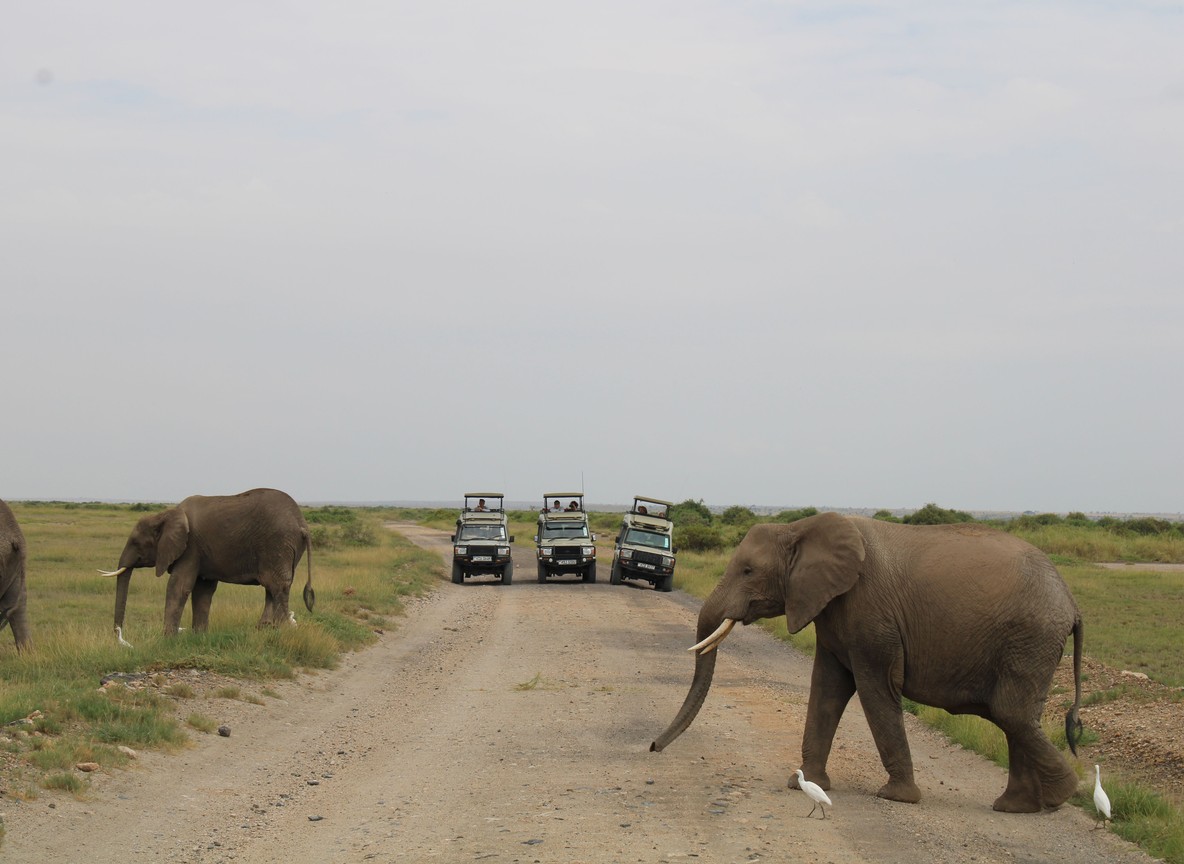
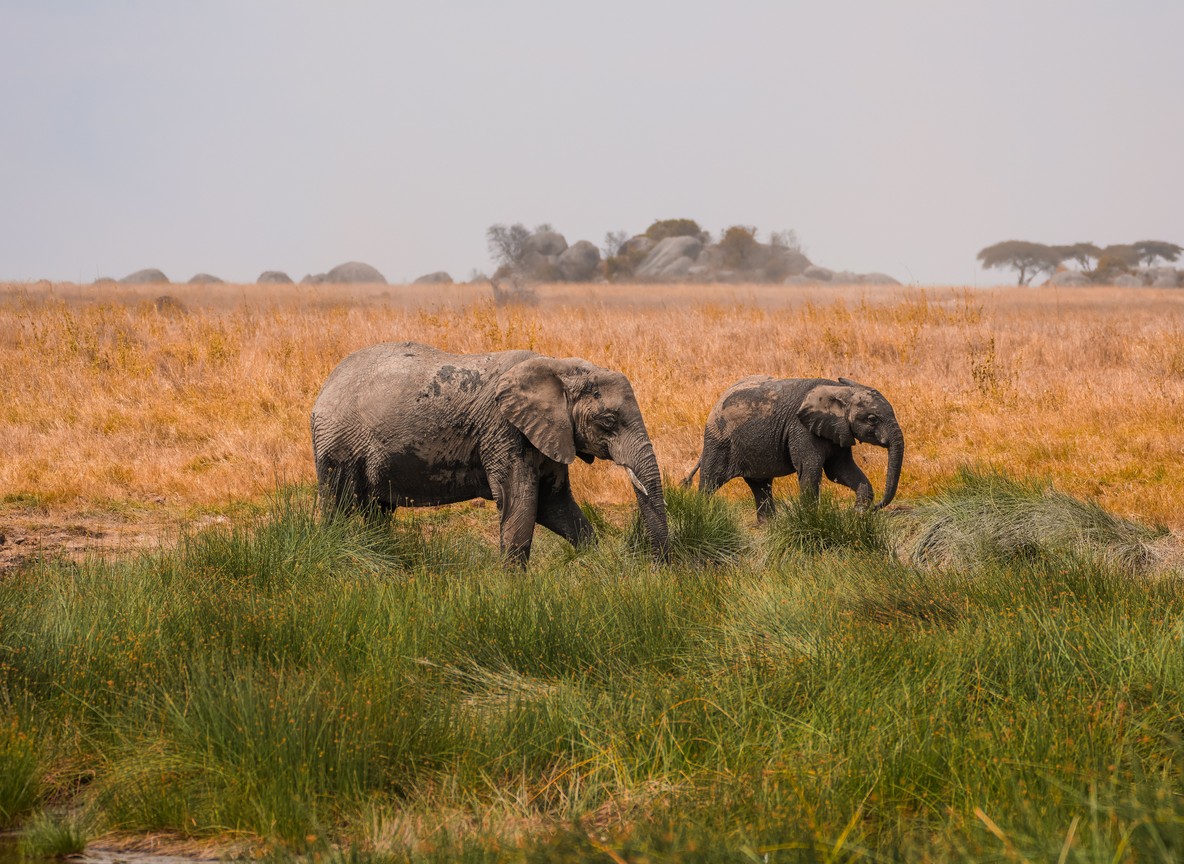
Elephants. This is the most important point for anyone considering a rainy-season visit. Amboseli’s elephant population does not leave when it rains. The herds remain active and visible, moving across the greener landscape in ways that can feel visually richer than dry-season encounters. Elephant family groups with young calves, backlit against deep green plains and dramatic cloud formations, make for a different but often more atmospheric type of wildlife experience.
Birding. Rainy-season Amboseli is genuinely good for birds. The wetland habitats become more active. Migratory species are present during the short rains in particular. The waterbird concentrations around the swamp edges — herons, egrets, African spoonbills, saddle-billed storks — are often at their most dense during wet periods. For anyone with birding as a priority alongside mammals, the rainy season is competitive with the dry season.
General wildlife. Buffalo, giraffe, zebra, and the resident predators are all present year-round. The predator logic shifts slightly in the wet season: prey animals are more dispersed when water and grass are available everywhere, which can make hunts harder to follow but also means the park’s predator population is active across a broader area.
Green scenery. This sounds secondary, but it is not. Amboseli in the dry season is cinematically striking but visually stripped back: ochre dust, bare trees, the mountain. In the wet season the landscape fills out. The quality of light on overcast days, the drama of an afternoon storm building over the mountain, the contrast between green plains and dark cloud — these are the conditions that differentiate a rainy-season visit from every other time of year.
What the Rainy Season Makes Harder
Kilimanjaro visibility. Cloud cover is more persistent during wet periods. The mountain does not disappear entirely — clear mornings still happen — but the window is narrower and less reliable. If the primary reason for the trip is the classic photograph of elephants with Kilimanjaro rising behind them, dry-season timing (June through October, or January and February) is more dependable.
Road conditions. Some tracks, particularly those close to the swamp or in the low-lying areas near Meshanani Gate, can become difficult or inaccessible after heavy rain. A good guide will know which routes to avoid and when, but the general point stands: the rainy season asks for more flexibility in your daily plan than the dry season does.
Predictability. Dry-season safari has a rhythm that is easy to follow. Wildlife concentrates near water. Game drives in the morning and late afternoon are structured around that predictability. In the wet season, with water and green grass available throughout the ecosystem, patterns shift and wildlife can be more dispersed. Sightings still happen — often excellent ones — but the certainty is lower.
Who the Rainy Season Works Best For
Value-focused travellers. Accommodation and safari packages in Amboseli are generally more accessible during wet-season months. The difference in experience versus dry season is real but not dramatic, and for guests who care about getting good value per night, the shoulder and wet seasons offer a genuine opportunity.
Birders. If a significant portion of the trip interest is in birds rather than mammals, the rainy season is genuinely competitive with the dry season for the quality of what you will encounter.
Repeat visitors. Travellers who have seen dry-season Amboseli and want a different version of the park will often find the wet season more interesting than they expected. The atmospheric conditions, the green landscape, and the less-trafficked feel combine into something that can be more memorable than another dry-season trip.
Mood-led travellers. There is a type of safari visitor who responds to drama, atmosphere, and the unpredictability of weather over a landscape. For them, watching a late-afternoon thunderstorm build over Kilimanjaro before breaking over the plains is as compelling as any game drive. Rainy-season Amboseli delivers that kind of experience in a way dry-season visits do not.
Who the Rainy Season Does Not Suit Well
First-time visitors who want the cleanest version of the park. A first safari benefits from predictability. If this is your first time and the goal is a clear introduction to the Amboseli experience, dry-season timing is a better investment.
Photographers chasing the classic Amboseli image. If the mountain-behind-elephants photograph is the objective, the dry season is significantly more reliable. The rainy season can still deliver it, but you need more time in the park and more flexibility in your schedule.
Short trips without flex. A 2-night rainy-season visit leaves little room to adapt if conditions shift. If you are going for a weekend and the first morning is rained out, you have used half your available game-drive time. Longer stays absorb variability better.
Explorer Notes
The Amboseli swamp system is fed by underground water from Kilimanjaro’s ice fields, which means it is permanent — it does not dry up in the dry season or flood dramatically in the wet season. That permanence is what makes elephants so reliably associated with this location. The swamp edges are worth visiting in any season, but in the wet season they are often visually spectacular: lush papyrus, herons moving along the banks, hippos visible in deeper sections, and elephant families feeding in and around the water channels.
Early mornings in wet-season Amboseli can be extraordinary for landscape photography. The air is clear after overnight rain. The mountain is often visible for 30 to 45 minutes before cloud develops. The grass holds moisture and reflects light differently than dry-season dust. If a wet-season visit is on the plan, the pre-dawn start is worth committing to every morning.
Two nights minimum is the practical floor for a rainy-season Amboseli visit. Three nights is better for absorbing variability and building in multiple morning and afternoon attempts.
For Kenya safari seasonal planning resources and month-by-month guides, touringinsights.com covers the full range of destinations.
Quick Comparison: Rainy Season vs Dry Season in Amboseli
| Factor | Rainy Season | Dry Season |
|---|---|---|
| Green scenery and atmosphere | Excellent | Moderate |
| Elephant viewing | Strong | Strong |
| Kilimanjaro visibility | Variable | More reliable |
| Birding | Very strong | Good |
| Road conditions | Some challenges | Generally good |
| Value and crowd levels | Better | Higher cost, more visitors |
| Predator predictability | Lower | Higher |
Conclusion
Amboseli in the rainy season is worth it if you go in understanding what the season actually offers. The elephants are still there. The birding is often better than in the dry season. The scenery can be more dramatic. The atmosphere is different in ways that suit certain types of travellers very well.
What the rainy season does not offer is the same level of certainty and visual clarity that makes dry-season Amboseli so appealing to first-time visitors and photographers chasing the iconic imagery. Know which kind of trip you are planning, and the season becomes a straightforward choice.
Next Steps
If you are weighing Amboseli visit timing, the most useful next step is to clarify what matters most to you: is it the mountain views, the elephant encounters, the birding, the value, or the experience of having the park largely to yourself? Different priorities point clearly to different seasons. For month-by-month planning resources across Kenya’s safari regions, visit touringinsights.com.
Prefer a different route, budget, or travel style? This plan can be adapted to fit.
Customise Your Trip